6 Sep 2026
Top Casinos in Malaysia
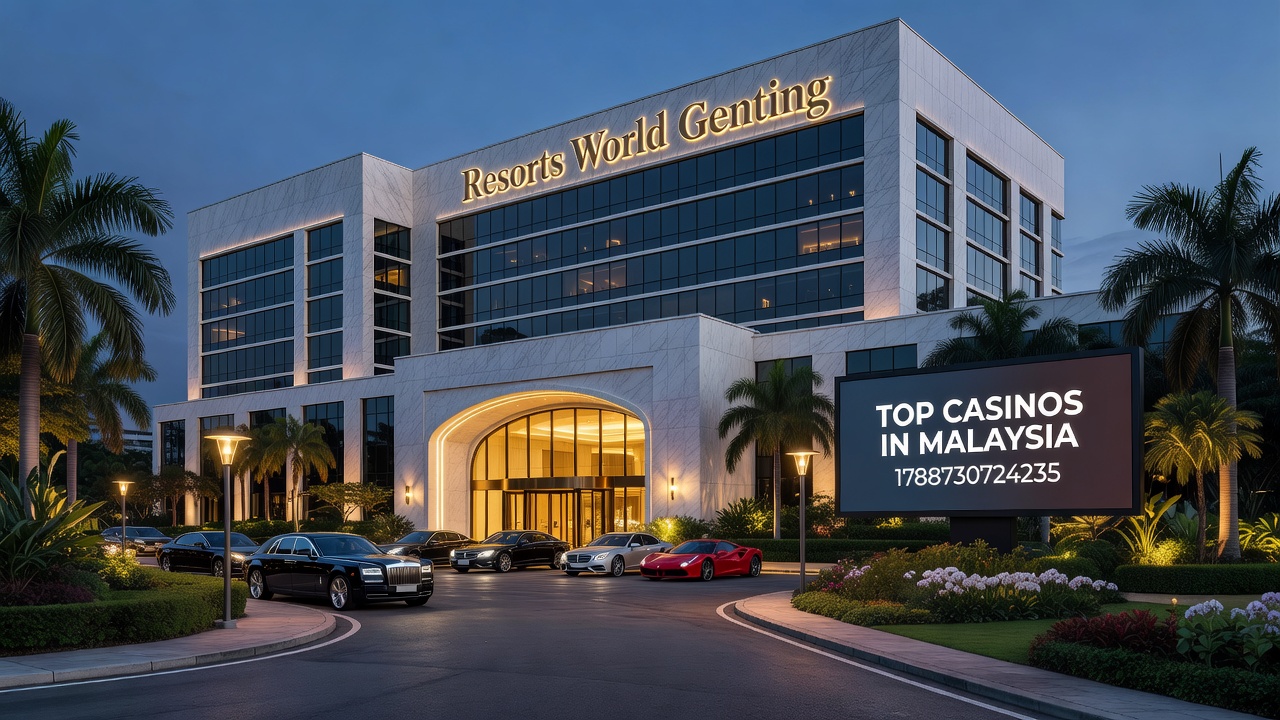
Malaysia maintains a regulated casino sector that centers on a handful of established resorts, and these venues draw both domestic visitors along with international travelers seeking structured gaming environments, according to data from the Ministry of Tourism, Arts and Culture Malaysia. Resorts World Genting stands as the flagship property at Genting Highlands, where operators run thousands of slot machines alongside table games that include baccarat, blackjack, and roulette, while the complex also incorporates hotels, theme parks, and retail spaces that operate year round.
Regulatory Framework and Licensing
The Ministry of Finance oversees casino licensing through specific legislation that limits operations to designated hill stations and certain state-approved zones, and this approach has remained consistent since the 1970s when the first licenses were issued. Observers note that only a small number of operators hold valid permits, which helps authorities monitor compliance with anti-money laundering rules and responsible gaming measures that require player identification at entry points.
Key Properties and Their Features
Resorts World Genting features multiple gaming floors spread across several buildings, and recent upgrades completed before 2026 added new premium gaming areas along with expanded non-gaming attractions such as indoor theme parks and concert venues. Another notable site operates in the state of Pahang, where the same parent company manages additional facilities that focus on mid-tier players, while smaller operations exist in Sarawak and other regions that cater primarily to local populations rather than tourists. Data from the Malaysian Gaming Association shows that combined visitor numbers at these locations reached several million annually in recent years, with peak periods occurring during school holidays and major festivals.
Economic Impact and Visitor Patterns
Revenue figures released by the Ministry of Finance indicate that casino operations contribute measurable tax income to federal and state budgets, and these funds support infrastructure projects in surrounding areas. Analysts tracking September 2026 arrivals report steady recovery in foreign visitor counts from key markets including China, Singapore, and Indonesia, where promotional packages often bundle gaming credits with hotel stays. The sector also generates employment for thousands of workers in hospitality, security, and maintenance roles, while supply chains for food, beverage, and equipment extend benefits to local businesses.
Technological and Operational Developments
Operators have introduced cashless payment systems and digital loyalty programs that track player activity across properties, and these tools allow for personalized offers without requiring physical cards. Research from the Asia Pacific Gaming Institute highlights how such systems improve operational efficiency while maintaining audit trails that satisfy regulatory reporting requirements. In addition, venues have expanded live entertainment schedules and dining options to encourage longer stays, since data shows that integrated resort models generate higher overall spending per visitor compared with gaming-only formats.
Challenges and Ongoing Adjustments
Seasonal fluctuations affect attendance, particularly during monsoon periods when road access to hill resorts can face disruptions, and operators respond by adjusting marketing campaigns toward nearby urban populations. Competition from regional destinations continues to influence marketing strategies, yet Malaysian properties maintain advantages through established infrastructure and proximity to growing Southeast Asian economies. Government reports note continued emphasis on player protection initiatives, including mandatory cooling-off periods and limits on credit extension that apply uniformly across licensed venues.
Conclusion
Top casinos in Malaysia operate within a tightly controlled environment that balances revenue generation with social safeguards, and ongoing investments in facilities and technology support their position within the broader tourism landscape. Figures from official sources confirm that these establishments remain significant contributors to national income while adapting to evolving visitor expectations through 2026 and beyond.